
How to Get Better Gas Mileage: Proven, Research-Backed Ways to Save Money on Fuel
How to Get Better Gas Mileage and Save Money on Fuel
Fuel costs continue to fluctuate, but one thing remains constant: improving gas mileage is one of the most effective ways to reduce overall vehicle expenses. Fuel economy is not a fixed number determined only by the vehicle you drive. It is influenced by driving behavior, vehicle condition, fuel quality, and how efficiently the engine converts fuel into usable energy.
According to research published by the U.S. Department of Energy, the average driver can improve fuel economy by around 10% simply by adopting better driving habits and maintaining their vehicle properly. Over the course of a year, that improvement can translate into meaningful savings, especially for commuters, high-mileage drivers, and fleet vehicles.
Understanding how fuel is used (and wasted) is the first step toward improving efficiency.
Driving Habits Have a Bigger Impact Than Most Drivers Realize
How a vehicle is driven has a direct and immediate effect on fuel consumption. Aggressive driving behaviors such as rapid acceleration, hard braking, and speeding significantly increase fuel usage. At highway speeds, aggressive driving can reduce fuel economy by as much as 30% or more, while even moderate stop-and-go driving can lower efficiency in city conditions.
Smooth acceleration, maintaining a steady speed, and anticipating traffic flow allow the engine to operate closer to its optimal efficiency range. Cruise control, when used appropriately on highways, helps maintain consistent speed and minimizes unnecessary fuel burn caused by constant throttle adjustments.
Even small changes in driving style can lead to noticeable improvements over time.

A man drives with active cruise control down the highway for better gas mileage.
Vehicle Weight and Aerodynamic Drag Reduce Efficiency
Every vehicle is designed to move a specific amount of weight efficiently. Carrying unnecessary cargo forces the engine to work harder, increasing fuel consumption. Studies show that even modest added weight can reduce fuel economy by one to two percent per hundred pounds.
Aerodynamic drag also plays a significant role, especially at highway speeds. Roof racks, cargo boxes, and external accessories increase wind resistance, which requires more engine power to maintain speed. Removing these items when they are not needed can improve fuel efficiency without any cost or mechanical changes.
Idling Wastes Fuel Without Providing Benefits
Modern engines are engineered to operate efficiently without long warm-up periods. Extended idling consumes fuel while producing zero miles per gallon. Depending on engine size and conditions, idling can burn between a quarter and a half gallon of fuel per hour.
Reducing unnecessary idling not only conserves fuel but also minimizes engine wear and emissions. Turning off the engine when parked or waiting for extended periods is one of the simplest ways to improve overall efficiency.
Tire Pressure and Basic Maintenance Matter More Than Expected
Tires that are underinflated create additional rolling resistance, forcing the engine to expend more energy to keep the vehicle moving. Maintaining proper tire pressure can improve fuel economy by up to three percent, while also extending tire life and improving handling.
Routine maintenance also plays a major role. Engines that are properly tuned operate more efficiently, burn fuel more completely, and experience less energy loss due to friction. Clean air filters, properly functioning spark plugs, and manufacturer-recommended motor oil viscosity all contribute to improved fuel economy.
The Department of Energy estimates that proper maintenance alone can improve fuel efficiency by several percentage points.
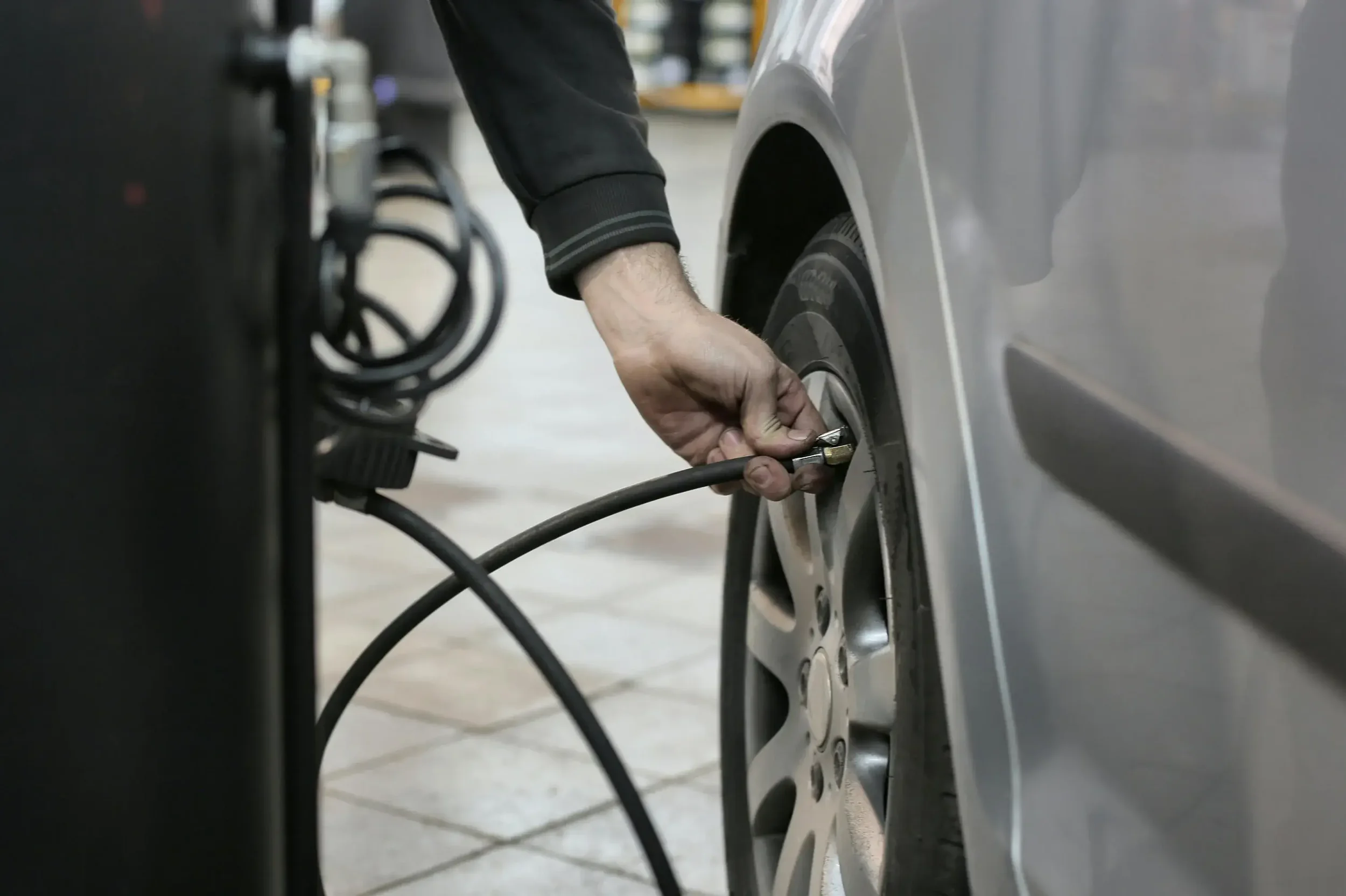
A person fills up their car’s tire to ensure even air pressure all around, helping them to get better gas mileage.
Fuel System Efficiency and Combustion Quality
Even when driving habits and maintenance are optimized, fuel economy can still suffer if the fuel system is not operating efficiently. Over time, deposits, moisture, and inconsistent fuel atomization can interfere with proper combustion.
Fuel must be evenly atomized and delivered at the correct ratio to burn efficiently. Poor atomization or moisture contamination can lead to incomplete combustion, wasted fuel, and increased emissions. Maintaining a clean fuel system supports more consistent ignition, improved combustion efficiency, and smoother operation.
Fuel treatments are designed to address these issues by cleaning fuel system components during operation, dispersing moisture, improving atomization, and providing upper-cylinder lubrication. Products such as Muscle Products Corp’s Fuel Treatment FT-10™ are formulated to support these processes while remaining compatible with modern gasoline and diesel engines.
Fuel treatments are not a substitute for proper maintenance, but when used correctly, they can complement good driving habits and vehicle care by helping maintain long-term efficiency.
The Long-Term Impact of Small Improvements
A ten percent improvement in fuel economy may not sound dramatic at first, but over thousands of miles it adds up quickly. Drivers who commute long distances or operate vehicles daily can save hundreds of dollars per year through improved efficiency alone. Fleets operating multiple vehicles can see even greater cumulative savings. Fuel efficiency improvements also reduce engine wear, lower emissions, and contribute to more consistent vehicle performance over time.
Final Thoughts
Improving gas mileage is not about one single change or product. It is the result of informed decisions made consistently over time. By driving smoothly, reducing unnecessary weight and drag, maintaining proper tire pressure, keeping vehicles well maintained, and supporting fuel system efficiency, drivers can significantly reduce fuel consumption and operating costs.
Fuel economy is within a driver’s control more than many people realize.
Sources and Disclaimers
Much of the fuel economy data referenced in this article is based on research and guidance published by the U.S. Department of Energy. Readers are encouraged to review the original materials at https://afdc.energy.gov/files/u/publication/10_G00888_savings_WEB.pdf for additional detail.
The information provided in this article is for general educational purposes only and is based on publicly available research and third-party sources. Individual vehicles, operating conditions, and maintenance requirements may vary. Readers should consult their vehicle manufacturer’s recommendations and perform their own research before making changes to driving habits, maintenance practices, or product usage. Muscle Products Corp. is not responsible for improper application, misuse, or outcomes resulting from actions taken based on this information.
-
Description Most drivers can improve fuel economy by around 10% through better driving habits and maintenance. In some cases, the improvement can be even greater.
-
Yes. Rapid acceleration, hard braking, and speeding can reduce fuel economy by over 30% at highway speeds.
-
Properly inflated tires can improve fuel economy by up to 3% and help prevent uneven tire wear.
-
Extended idling wastes fuel and provides no benefit in modern vehicles. Turning off the engine when waiting saves fuel and reduces wear.
-
Fuel treatments can support fuel system cleanliness, moisture control, and combustion efficiency. When used correctly, they can complement good driving habits and maintenance.
-
Most quality fuel treatments are designed to be compatible with modern fuel systems, catalytic converters, and ethanol-blended fuels when used according to directions.
-
Driving habits and maintenance have the biggest impact. Fuel treatments should be viewed as a supporting tool, not a replacement for proper care.