
Can You Overgrease a Bearing? Signs, Causes, and How to Prevent It
Can You Overgrease a Bearing? Here’s What to Look for and How You Can Prevent It
Adding grease is supposed to protect a bearing, reduce friction, and help equipment operate reliably. Because of that, it is easy to assume that adding a little extra grease provides more protection.
That is not always the case.
A bearing needs the correct grease, applied according to the proper procedure and at an appropriate interval. When too much grease is forced into a bearing or housing, the excess material can interfere with normal operation. Instead of improving lubrication, overgreasing can contribute to churning, elevated operating temperatures, internal pressure, grease leakage, seal damage, and shortened lubricant or bearing life. However, hot, noisy, or leaking bearing should not automatically be diagnosed as overgreased. Similar symptoms can result from using the wrong grease, mixing incompatible products, contamination, incorrect installation, damaged seals, misalignment, excessive loading, or an existing mechanical problem.
This guide explains what overgreasing means, why it causes problems, how to recognize possible warning signs, and how maintenance professionals can reduce the risk without relying on guesswork.
Key Takeaways
A bearing can be overgreased, and more grease does not always provide more protection.
Excess grease can contribute to churning, heat, internal pressure, leakage, and seal problems.
A temperature increase after relubrication may indicate a problem, but temperature alone does not prove overgreasing.
Grease type matters as much as grease quantity. The correct thickener, NLGI grade, base oil, operating range, and compatibility must all be considered.
There is no universal grease-gun pump count that applies to every bearing.
Follow the equipment manufacturer’s lubrication procedure and investigate unusual heat, noise, leakage, or vibration before adding more grease.
What Does It Mean to Overgrease a Bearing?
Overgreasing occurs when more grease is placed into a bearing or bearing housing than the application can properly accommodate during operation. Grease is not simply thick oil. It is made from base oil, a thickener system, and additives. The thickener holds the oil in place and gives the grease its semi-solid structure. The base oil performs much of the actual lubrication, while the additive system may provide additional protection against wear, extreme pressure, rust, corrosion, water exposure, or other operating conditions.
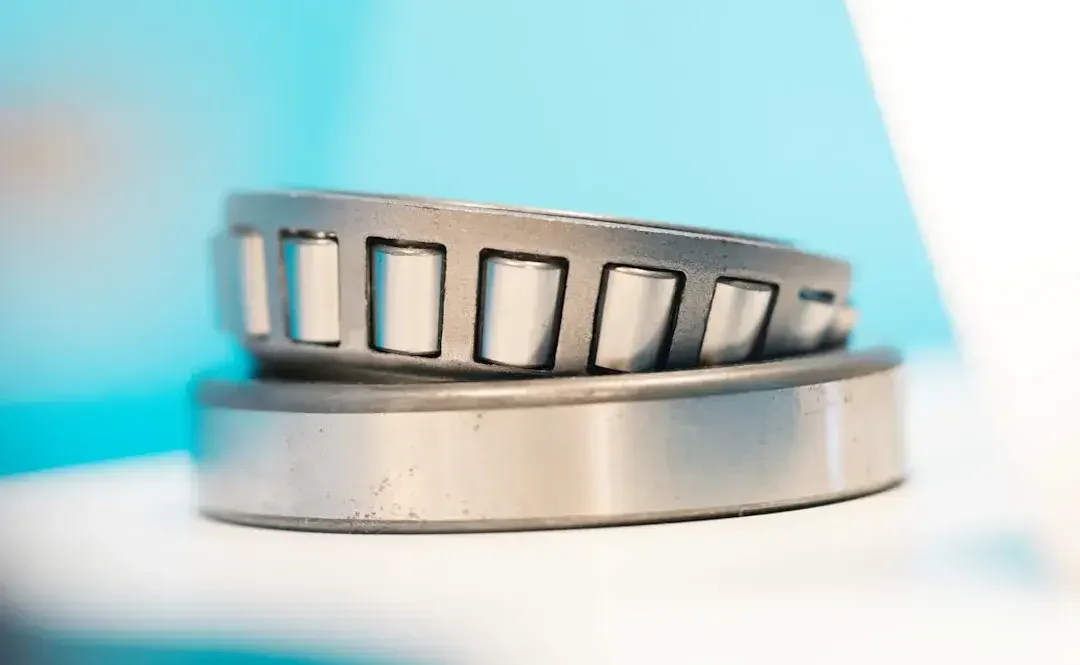
Inside a properly lubricated bearing, the grease must remain available to lubricate the moving surfaces without creating excessive resistance. If too much grease fills the available space, the rolling elements and cage may have to push through and continually displace the excess material in a condition commonly referred to as grease churning. Churning creates additional resistance inside the bearing. That resistance can generate heat, increase energy demand, accelerate grease degradation, and place additional pressure on seals and other components.
Overgreasing can occur during initial assembly, routine relubrication, a grease conversion, or maintenance performed without a defined procedure. It may also happen when technicians repeatedly add grease to a hot or noisy bearing without first determining why the condition exists. Poor maintenance records can make the problem worse. When multiple people service the same equipment without documenting what was added and when, the next technician may assume the bearing is due for lubrication even though it was recently greased.
Why Can Too Much Grease Cause Problems?
The grease itself does not suddenly become harmful because the quantity increased. The problem is that an excessive volume changes how the bearing and lubricant behave during operation. A bearing needs room for its rolling elements, cage, and lubricant to move as designed. Packing too much grease into the bearing or surrounding housing can increase resistance and interfere with the normal distribution of the lubricant.
Excess Grease Can Cause Churning
When a bearing contains too much grease, the rolling elements must repeatedly push through the excess material. This increases drag and can cause the bearing to operate at a higher temperature than expected. This scenario may create a misleading maintenance cycle. A technician notices that the bearing is running hot and assumes that it needs more lubricant. More grease is added, resistance increases, and the bearing becomes even hotter.
The correct response to a hot bearing is not automatically another application of grease. The recent maintenance history, grease type, application procedure, load, alignment, seal condition, and mechanical condition of the bearing should all be considered.
Overgreasing Can Increase Operating Temperature
Some temperature change may occur after a bearing is relubricated, depending on the application and procedure. A sustained or significant rise in temperature deserves attention. Excess grease makes the bearing work harder to move through the lubricant. The additional energy required to overcome that resistance becomes heat. Higher temperatures can also reduce grease life and accelerate changes in the lubricant’s structure and performance. Temperature should be evaluated in context.
A hot bearing may also result from insufficient lubrication, the wrong base-oil viscosity, an unsuitable NLGI grade, excessive loading, misalignment, contamination, installation problems, or existing bearing damage. The timing of the temperature increase can provide an important clue. If a previously stable bearing becomes substantially hotter immediately after relubrication, the lubrication procedure should be reviewed.
Excess Pressure Can Affect Seals
Continuing to pump grease after the available space has been filled can increase pressure inside the housing. Applying grease too quickly may create a similar problem. That pressure can force grease past a seal or contribute to damage or displacement of the sealing arrangement. Once the seal has been compromised, grease may escape and contamination may enter.
A failed seal creates more than a housekeeping problem. Dirt, dust, water, and process debris may now have a path into the bearing. Those contaminants can interfere with the grease and damage the lubricated surfaces. Adding more grease may temporarily replace some of the lubricant that escaped, but it does not correct the damaged seal or the condition that caused the grease to escape.
Grease May Leak From the Housing
Visible grease around a shaft, seal, bearing housing, or surrounding equipment can indicate that too much grease was added or that internal pressure forced it out. Leakage does not always prove that the bearing was overgreased as some bearing designs and lubrication procedures allow a limited amount of old or excess grease to purge through a designated outlet. The important distinction is between controlled purging and uncontrolled leakage.
A controlled purge generally occurs through the intended relief path and may stop once the excess grease exits. Uncontrolled leakage may occur around a seal, continue during operation, appear in an unintended location, or be accompanied by temperature changes, noise, vibration, or visible seal damage. The observed condition should be compared with the equipment manufacturer’s instructions and the established maintenance procedure.
Too Much Grease Can Increase Energy Demand
When rotating components must continually move through an excessive volume of grease, additional energy is required to overcome the resistance, but the effect may not be obvious in one small bearing. Across multiple electric motors, conveyors, pumps, fans, and other production assets, unnecessary resistance can contribute to increased energy use and operating costs. Overgreasing may therefore affect more than the bearing itself. It can reduce overall equipment efficiency and contribute to heat throughout the lubricated assembly.
What Are the Signs of an Overgreased Bearing?
No single symptom proves that a bearing contains too much grease. The equipment, recent maintenance history, lubricant, operating conditions, and other mechanical causes must all be considered.
Possible warning signs include:
Bearing temperature increasing shortly after relubrication
Grease being forced through or around the seal
Excess grease collecting outside the housing
Abnormal noise or vibration after lubrication
Increased operating resistance or energy demand
A damaged, displaced, or leaking seal
Grease appearing heavily worked, separated, unusually soft, or changed in texture
Repeated bearing problems following scheduled lubrication
These signs should begin the investigation, not complete the diagnosis.
Why Is My Bearing Hot After Greasing?
A bearing that becomes hot after greasing may have received too much lubricant, but overgreasing is only one possibility. The grease may have been added too quickly, the housing may have a blocked relief path, or the bearing may contain an unsuitable grease. An incorrect NLGI grade or base-oil viscosity can also affect operating temperature. Compatibility should be considered whenever a different product, brand, or grease family was recently introduced. Incompatible greases may soften, harden, separate, leak, or behave unpredictably inside the application.
The problem may also be mechanical rather than lubricant-related. Excessive load, misalignment, incorrect installation, damaged seals, contamination, shaft or housing problems, and existing bearing damage can all contribute to heat. Start by reviewing what changed immediately before the temperature increased. Determine which product was added, whether it matched the grease already in service, how the application was performed, and whether the equipment manufacturer’s procedure was followed.
Do not assume that another application of grease will correct the condition.
Can Too Much Grease Damage a Bearing Seal?
Excessive grease volume or application pressure can affect the sealing arrangement. If pressure builds inside the housing, grease may be forced past the seal. The seal may become displaced, damaged, or unable to retain the lubricant and exclude contaminants as intended.
Once the seal is compromised, the bearing becomes more vulnerable to water, dirt, dust, and process debris. Lubricant may continue to escape while contamination enters the housing. A leaking seal should therefore be treated as both a lubrication concern and a contamination concern. The seal condition, relief path, housing, and recent lubrication procedure should be inspected before additional grease is added.
Is Grease Coming Out of a Bearing Always a Problem?
Not necessarily. Some applications are designed to release old or excess grease through a relief opening during relubrication. A limited amount of purging may be part of the normal procedure. The location and duration of the grease release matter. Grease exiting through the intended relief path is different from grease continually leaking around a seal or entering another part of the equipment.
The condition should be compared with the equipment manual, bearing manufacturer’s guidance, housing design, and previous operating behavior. If the leakage is new, excessive, or accompanied by heat, noise, vibration, or seal damage, it should be investigated.
Can Adding More Grease Fix a Noisy Bearing?
A bearing may temporarily become quieter after grease is added, but that does not necessarily mean the underlying problem has been corrected. Noise can result from insufficient lubrication, but it can also indicate contamination, an unsuitable grease, incompatible products, damaged rolling elements, worn raceways, misalignment, incorrect fits, looseness, excessive load, seal contact, installation damage, or advanced bearing failure. Additional grease may temporarily change the sound while the mechanical damage continues. A bearing that repeatedly becomes noisy soon after lubrication should be inspected rather than continuously topped off.
Overgreasing vs. Under-Greasing
Both too much and too little grease can contribute to bearing problems, but they affect the application differently.
Under-greasing may leave the bearing without an adequate lubricant supply. Friction can increase, operating temperature may rise, and the lubricated surfaces may experience accelerated wear. The bearing may also become noisier or more vulnerable to corrosion and surface damage. Overgreasing on the other hand can create churning, resistance, internal pressure, leakage, heat, and seal-related problems. The difficulty is that both conditions can produce similar symptoms.
Heat and noise do not automatically reveal whether the bearing contains too much grease, too little grease, the wrong grease, or an existing mechanical defect. The objective is not to place the maximum possible amount of grease into the bearing. The objective is to maintain the lubrication condition required by the specific equipment.
Why Grease Type Matters as Much as Grease Quantity
Reducing the grease quantity will not solve a problem caused by the wrong product. Greases differ in thickener family, NLGI grade, base-oil type, base-oil viscosity, temperature range, mechanical stability, extreme-pressure performance, water resistance, corrosion protection, pumpability, and additive chemistry. A bearing may contain a reasonable amount of grease and still perform poorly if the lubricant does not match the speed, load, temperature, environment, or equipment requirements.
Selection should begin with the equipment manufacturer’s recommendation. The required grease family, NLGI grade, base-oil viscosity, operating-temperature range, relubrication method, and any application-specific requirements should be reviewed before choosing a product. For a detailed explanation of grease selection, read “Choose the Right Grease for the Job.”
Can Mixing Greases Create Symptoms Similar to Overgreasing?
Yes. Mixing incompatible greases can produce conditions that resemble overgreasing.
Incompatible greases may soften and leak from the housing. They may also harden and prevent lubricant from reaching the load zone. Oil separation, poor pumpability, higher operating temperature, abnormal texture, noise, and shortened bearing life may also occur. These symptoms can be especially confusing when a different grease was recently added. The bearing may appear to have received too much grease when the actual problem is a compatibility issue between the old and new products.
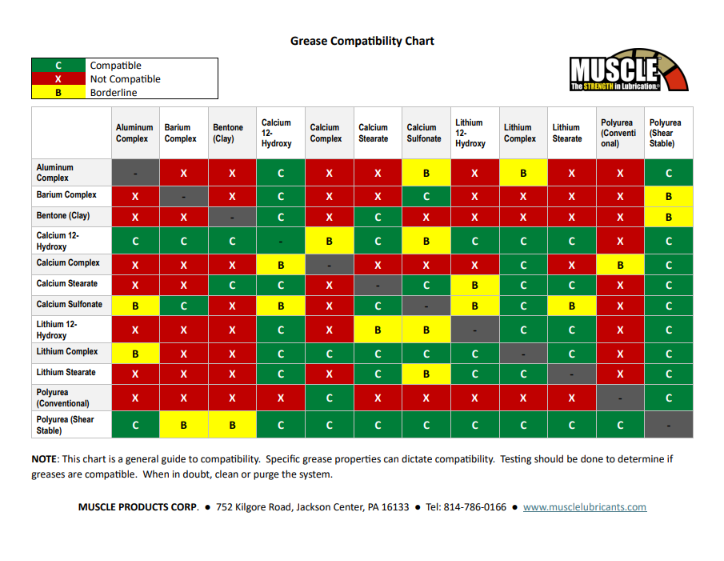
Before topping off a fitting or changing grease brands, identify the product already in the equipment. Check the thickener family and compare it with the proposed replacement. A grease compatibility chart can be used as a starting point. If the combination is listed as incompatible, borderline, or unknown, the old grease may need to be thoroughly purged or cleaned out before the new product is placed into service. Read “Grease Compatibility: Can You Mix Grease Types Safely?” for more detailed guidance.
How to Prevent Overgreasing
Preventing overgreasing requires a consistent maintenance process. The amount added should not depend entirely on how the grease gun feels or how much a technician normally uses on unrelated equipment.
Follow the Equipment Manufacturer’s Procedure
The equipment manufacturer’s lubrication instructions should be the starting point. The procedure may identify the approved grease, NLGI grade, relubrication interval, relief requirements, and whether the equipment should be operating or stopped during lubrication. It may also provide application-specific inspection or startup instructions. A general rule should not replace an equipment-specific procedure.
Keep Accurate Lubrication Records
Maintenance records should identify the asset, lubrication point, grease used, date of service, technician, and any operating observations. Accurate records reduce the chance of duplicate lubrication and help maintenance teams identify patterns. If the same bearing repeatedly becomes hot, noisy, or begins leaking after relubrication, the history can help determine whether the problem is related to frequency, application method, product selection, or another condition.
Do Not Rely on a Universal Number of Grease-Gun Pumps
Different grease guns may deliver different amounts of lubricant with each stroke. Two similar-looking tools may not have the same output. A maintenance instruction such as “add three pumps” may therefore be inconsistent unless the grease gun, equipment, and procedure have been standardized. The correct amount also depends on the bearing, housing, speed, operating conditions, relubrication method, and manufacturer’s instructions. There is no single pump count that safely applies to every application.
Keep Relief Paths Clear
Some bearing housings use relief openings or purge paths to allow displaced grease to exit during relubrication. If the relief path is blocked, grease and pressure may become trapped inside the housing. This can contribute to leakage, seal stress, and excessive grease remaining around the bearing. Follow the equipment-specific procedure for inspecting, opening, or cleaning the relief path.
Apply Grease Carefully
Grease should not be forced into a fitting as quickly as possible. Rapid application can create pressure and may prevent the grease from distributing as intended. If a fitting suddenly becomes difficult to service, stop and investigate. A blocked fitting, hardened grease, damaged passage, full housing, or compatibility problem may be present. Continuing to apply pressure without identifying the cause can damage seals or other components.
Monitor Equipment After Relubrication
Observe the bearing after maintenance. Temperature, noise, vibration, leakage, seal condition, and general equipment performance may provide useful information. A substantial change that begins immediately after lubrication should be documented and investigated. More grease should not be added automatically simply because the bearing becomes hot or noisy.
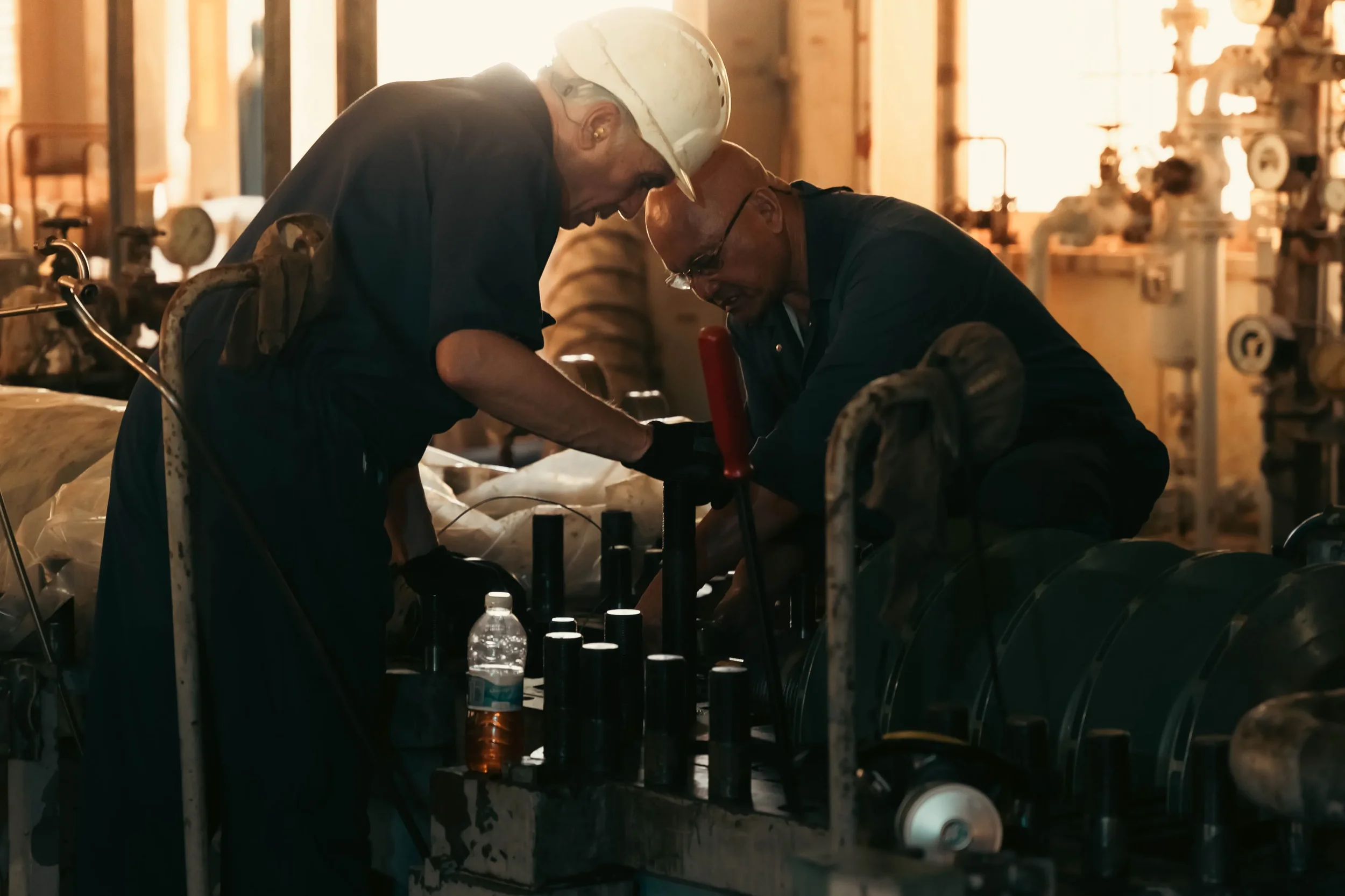
What Should You Do If You Suspect Overgreasing?
Begin by reviewing the maintenance history. Determine which grease was added, when it was added, whether it matched the existing product, and whether the equipment manufacturer’s procedure was followed.
Observe the bearing’s temperature, noise, vibration, leakage, and operating behavior. Compare the condition with its normal performance and with similar equipment operating under comparable conditions.
Inspect the seals and any grease-relief points. Look for uncontrolled leakage, damaged or displaced seals, blocked outlets, or grease in areas where it should not be present.
Confirm the identity of the lubricant. If a different product was recently introduced, review grease compatibility before assuming that quantity is the only problem.
The correct method for removing or relieving excess grease depends on the bearing and equipment design. Follow the manufacturer’s procedure rather than improvising, particularly on electric motors, pumps, high-speed bearings, centralized lubrication systems, sealed assemblies, or safety-critical equipment.
Document the suspected cause, corrective action, and result. That information can help prevent the same problem from being repeated during the next maintenance cycle.
Choosing the Appropriate Muscle Grease
Muscle Products manufactures multiple grease formulations because one grease is not appropriate for every application. Correcting an overgreasing problem does not automatically mean that the grease already being used is appropriate. Product selection should still account for the equipment manufacturer’s requirements, load, speed, temperature, environment, water exposure, component type, relubrication method, thickener compatibility, and required NLGI grade.
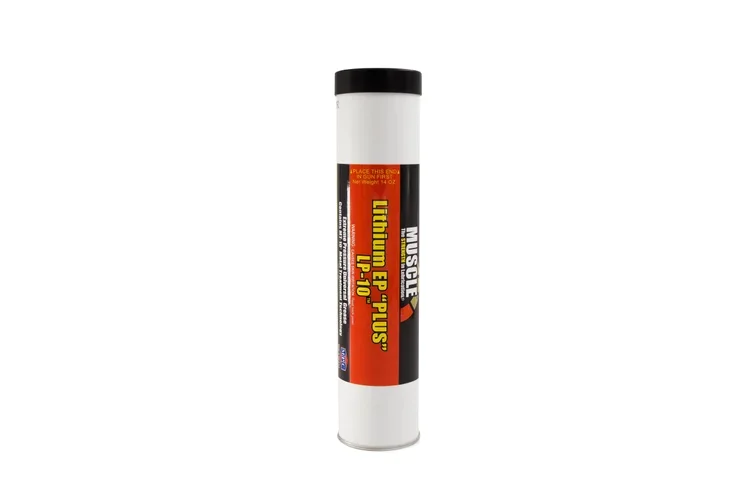
Lithium EP Plus LP-10™ Grease
Lithium EP Plus LP-10™ Grease is an anti-wear, extreme-pressure, multi-purpose lithium grease. LP-10™ contains Muscle Metal Treatment MT-10® lubrication technology for superior wear resistance and high-load carrying performance over conventional lithium greases. LP-10™ protects all lubricated moving metal parts against extreme pressure and friction-related heat and wear.
LP-10™ is a lithium grease with an NLGI #2 consistency. Its continuous operating temperature range is 0°F to 275°F, or -17°C to 135°C, and its dropping point is 375°F+, or 190°C+.
Recommended uses include bearings, non-disc brake wheel bearings, universal joints, chassis fittings, axles, conveyors, pumps, and other industrial, automotive, or commercial areas of lubrication that require an extreme-pressure, anti-wear grease.
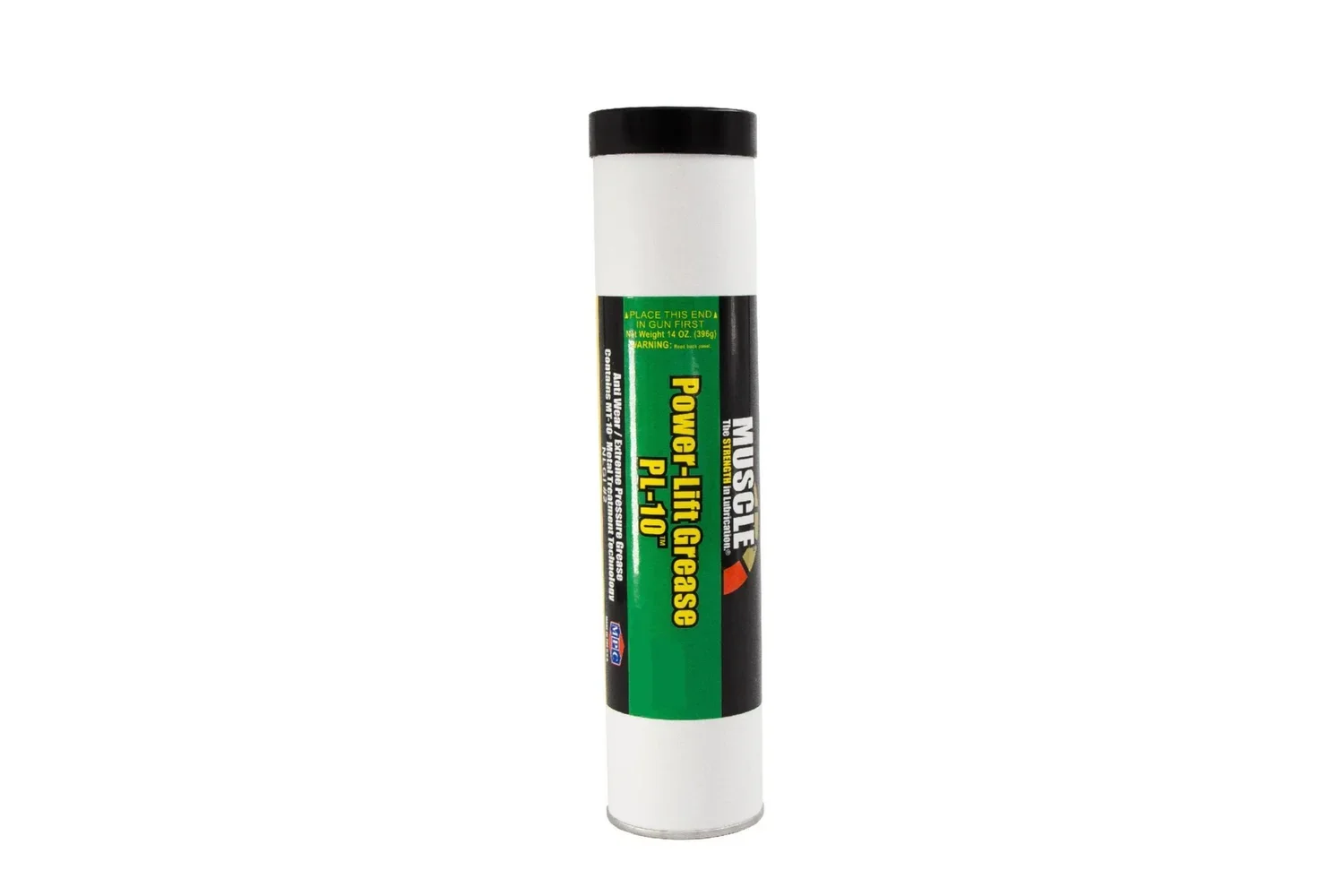
Power-Lift Grease PL-10™
Power-Lift Grease PL-10™ is an anti-wear, extreme-pressure, lithium-complex grease with anti-friction additives. PL-10™ is unique because its formulation contains Muscle Metal Treatment MT-10® technology for increased lubricity and boundary film lubrication. PL-10™ treats, seals and protects metal surfaces to dramatically reduce friction-related heat and wear.
PL-10™ uses a lithium complex thickener and is available as an NLGI #2 grease, with other grades available upon request. Its continuous operating temperature range is 0°F to 450°F, or -17°C to 232°C, and its typical dropping point is 525°F+, or 273°C+.
Recommended uses include bearings, disc brake wheel bearings, universal joints, CV joints, chassis fittings, axles, conveyors, pumps, firearms, fishing reels and tackle, sports equipment, and other industrial, automotive, or commercial areas of lubrication that require an extreme-pressure, anti-wear grease.
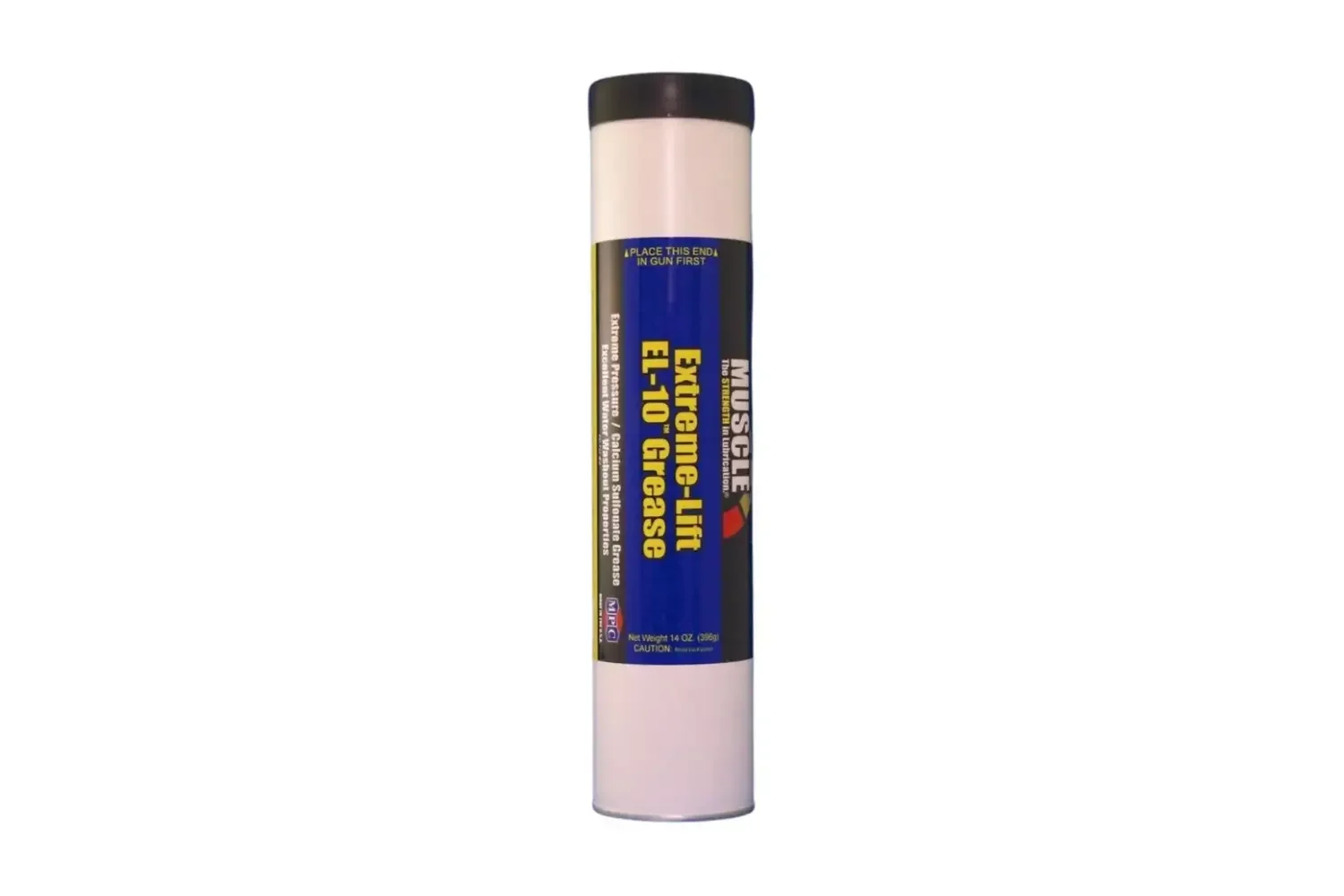
Extreme-Lift EL-10™ Grease
Extreme-Lift EL-10™ Grease is an extreme-pressure, calcium sulfonate complex grease that provides durable performance in rigorous lubrication applications. This grease is a viable alternative to lithium complex greases designed for uses requiring heat resistance or water tolerance.
EL-10™ is a calcium sulfonate, NLGI #2 grease with a dropping point greater than 500°F, or 260°C.
Recommended uses include tough lubrication applications requiring long-lasting performance, such as industrial, mining, construction, agriculture, heavy-duty equipment, and other off-road uses involving bearings, universal joints, CV joints, chassis fittings, axles, conveyors, and pumps.
Which Muscle Grease Is Appropriate?
The answer cannot be determined from the bearing alone. Lithium EP Plus LP-10™ may be considered for multipurpose lithium-grease applications and general service points. Power-Lift Grease PL-10™ may be considered when the application requires lithium-complex performance and falls within the product’s recommended uses and operating information. Extreme-Lift EL-10™ Grease may be considered for rigorous applications where calcium sulfonate complex grease and water-tolerance characteristics fit the equipment requirements.
These descriptions do not replace the equipment manufacturer’s recommendations or an application-specific review. Before replacing an existing grease with LP-10™, PL-10™, or EL-10™, identify the current thickener family and review the Muscle Grease Compatibility Chart.
What Grease Cannot Fix
The correct grease, applied properly, can support equipment reliability. It cannot repair a damaged bearing or correct every mechanical problem. Grease cannot repair damaged raceways or rolling elements. It cannot correct an improper shaft or housing fit, misalignment, a bent shaft, installation damage, excessive loading, electrical damage, a failed seal, a blocked lubrication passage, or an incorrectly selected bearing.
If a bearing continues to run hot, leak, vibrate, or make noise after the lubrication procedure and product selection have been reviewed, the mechanical condition of the equipment should be inspected.
Frequently Asked Grease Questions
-
Yes. Excess grease can create churning, resistance, heat, internal pressure, leakage, and seal-related problems. Follow the equipment manufacturer’s lubrication procedure instead of assuming that more grease provides more protection.
-
When a bearing is overgreased, the rolling elements may have to move through excess grease, increasing resistance and operating temperature. Pressure may also force grease past the seals or interfere with the sealing arrangement.
-
Possible signs a bearing may have too much grease include increased temperature after relubrication, grease leakage, seal problems, abnormal noise, changes in vibration, and increased operating resistance. These symptoms can have other causes, so the lubrication history and mechanical condition should be reviewed before reaching a conclusion.
-
Your bearing got hot after you greased it for possible causes such as overgreasing, churning, excessive application pressure, an unsuitable grease, incompatible products, contamination, blocked relief paths, excessive loading, misalignment, installation problems, or existing bearing damage.
-
No, you automatically shouldn’t add more grease to a noisy bearing. Noise can indicate insufficient lubrication, but it may also result from contamination, incorrect grease, bearing damage, misalignment, looseness, seal contact, or another mechanical problem.
-
Yes, grease leaking from a bearing can be a sign of overgreasing. Excess grease or internal pressure may force lubricant around a seal. Some applications allow a limited amount of grease to purge through a designated outlet, however, so the equipment manufacturer’s procedure should be reviewed.
-
Excessive grease volume or application pressure can damage or displace seals. A compromised seal may allow grease to escape and contamination to enter.
-
Do not assume two greases are compatible. Identify both thickener systems and use a grease compatibility chart as a starting point. If compatibility is negative, borderline, or unknown, the old grease may need to be purged or cleaned out before switching.
-
There is no universal pump count for every bearing. Grease guns vary in output, and bearings differ in size, speed, housing design, operating conditions, and relubrication requirements. Follow the equipment manufacturer’s instructions and established lubrication procedure.
-
No, NLGI #2 grease is not suitable for every bearing. NLGI grade describes grease consistency, but the correct grade depends on the equipment, delivery system, temperature, speed, and operating conditions.
-
No, the right grease cannot prevent every bearing failure. Proper lubrication helps protect bearings, but it cannot correct misalignment, damaged components, incorrect fits, excessive loads, contamination, electrical damage, or installation problems.
Final Takeaway on Overgreasing
A bearing can be overgreased.
Adding excessive grease can increase churning, resistance, operating temperature, internal pressure, leakage, and stress on the bearing seals. More grease is therefore not always the correct response to heat, noise, or poor equipment performance. Those symptoms do not prove overgreasing by themselves. Incorrect grease selection, incompatible products, contamination, damaged seals, excessive loading, misalignment, installation problems, and existing bearing damage can create similar conditions.
Follow the equipment manufacturer’s lubrication procedure, use the correct grease for the application, maintain accurate service records, keep relief paths clear, monitor equipment after relubrication, and investigate unusual changes before adding more grease.
Muscle Products offers Lithium EP Plus LP-10™ for multipurpose lithium-grease applications, Power-Lift Grease PL-10™ for higher-demand lithium-complex applications, and Extreme-Lift EL-10™ Grease for rigorous applications where calcium sulfonate complex performance fits the operating requirements. For help reviewing a grease application or selecting an appropriate Muscle product, contact the Muscle Products team before making the change.
Related Resources
For additional information, read Choose the Right Grease for the Job and Grease Compatibility: Can You Mix Grease Types Safely? You can also review the Muscle Grease Compatibility Chart, product pages for PL-10™, EL-10™, and LP-10™, and the applicable Product Data Sheets and Safety Data Sheets.