
Pneumatic Air Tool Maintenance & Lubrication Guide
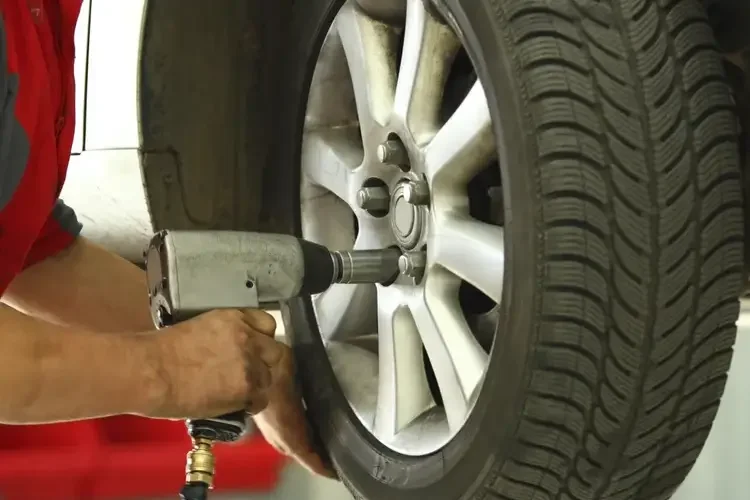
How to Maintain and Lubricate Pneumatic Air Tools for Longer Service Life
Pneumatic air tools are used every day in automotive repair shops, manufacturing facilities, construction sites, and industrial maintenance operations. Impact wrenches, air ratchets, grinders, sanders, and other compressed air equipment are built to handle demanding work, but regular use can gradually wear down their internal moving parts.
Proper maintenance plays an important role in keeping these tools operating reliably. Clean compressed air, adequate lubrication, moisture control, and routine inspection can help maintain performance and reduce unnecessary wear over time.
Oftentimes, a relatively small amount of preventive maintenance can also help avoid the expense of replacing tools that have deteriorated because of neglected lubrication or contamination. Understanding what happens inside a pneumatic tool and how to care for it is a good place to start.
Key Takeaways
Regular lubrication helps reduce friction and wear inside pneumatic air tools, supporting smoother operation and longer service life.
Moisture and contaminants in compressed air can contribute to corrosion, deposits, and problems with internal moving components.
Air pressure and air quality matter. Proper lubrication cannot compensate for an inadequate air supply, damaged components, or other mechanical problems.
Air Tool Oil AT-10™ is formulated to lubricate, clean, and protect piston and rotary type pneumatic tools while helping repel moisture and prevent rust.
Maintenance requirements vary by tool. Always follow the manufacturer's instructions for lubrication intervals, application methods, and compatible lubricants.
Why Proper Lubrication Matters for Pneumatic Air Tools
Pneumatic tools use compressed air to produce mechanical movement. Depending on the tool's design, this may involve a rotating air motor, reciprocating piston, or other moving components that transfer energy into the work being performed.
An impact wrench, for example, uses an air motor to drive an impact mechanism that delivers bursts of torque. Pneumatic grinders and sanders rely on rotating components to maintain speed, while air hammers use repeated piston movement. These mechanisms contain contacting metal surfaces and other internal parts that require appropriate lubrication.
Without sufficient lubrication, friction can increase and accelerate wear on components such as vanes, bearings, and moving metal interfaces. As internal parts wear, a tool may begin operating less smoothly or lose some of its performance. Continued operation without proper maintenance can eventually result in more extensive repairs or replacement.
Air tool oil helps reduce friction between lubricated moving components while providing protection against wear. The correct product and application method depend on the tool's construction and lubrication requirements.
How Moisture and Contamination Affect Air Tool Performance
Lubrication is only part of proper pneumatic tool care. The condition of the compressed air entering the tool can also affect its performance and longevity. Compressed air systems can accumulate moisture as air is compressed, cooled, and distributed through hoses and piping. Without adequate moisture control, water can travel through the air supply and reach connected equipment.
Inside a pneumatic tool, moisture can contribute to corrosion on exposed or susceptible metal surfaces. Dirt, rust particles, and other contaminants can also enter through poorly maintained air lines or dirty connections, increasing wear and interfering with moving components.
Deposits and contamination may gradually contribute to sluggish operation or inconsistent performance. Adding more lubricant alone will not correct poor air quality or remove every source of contamination. This is why compressed air systems commonly use filters, regulators, moisture separators, or other air treatment equipment. These components help deliver air that meets the tool manufacturer's requirements.
Air tool oil and air supply maintenance work together. A suitable lubricant protects internal components, while proper filtration and moisture control help reduce the contaminants reaching those components in the first place.
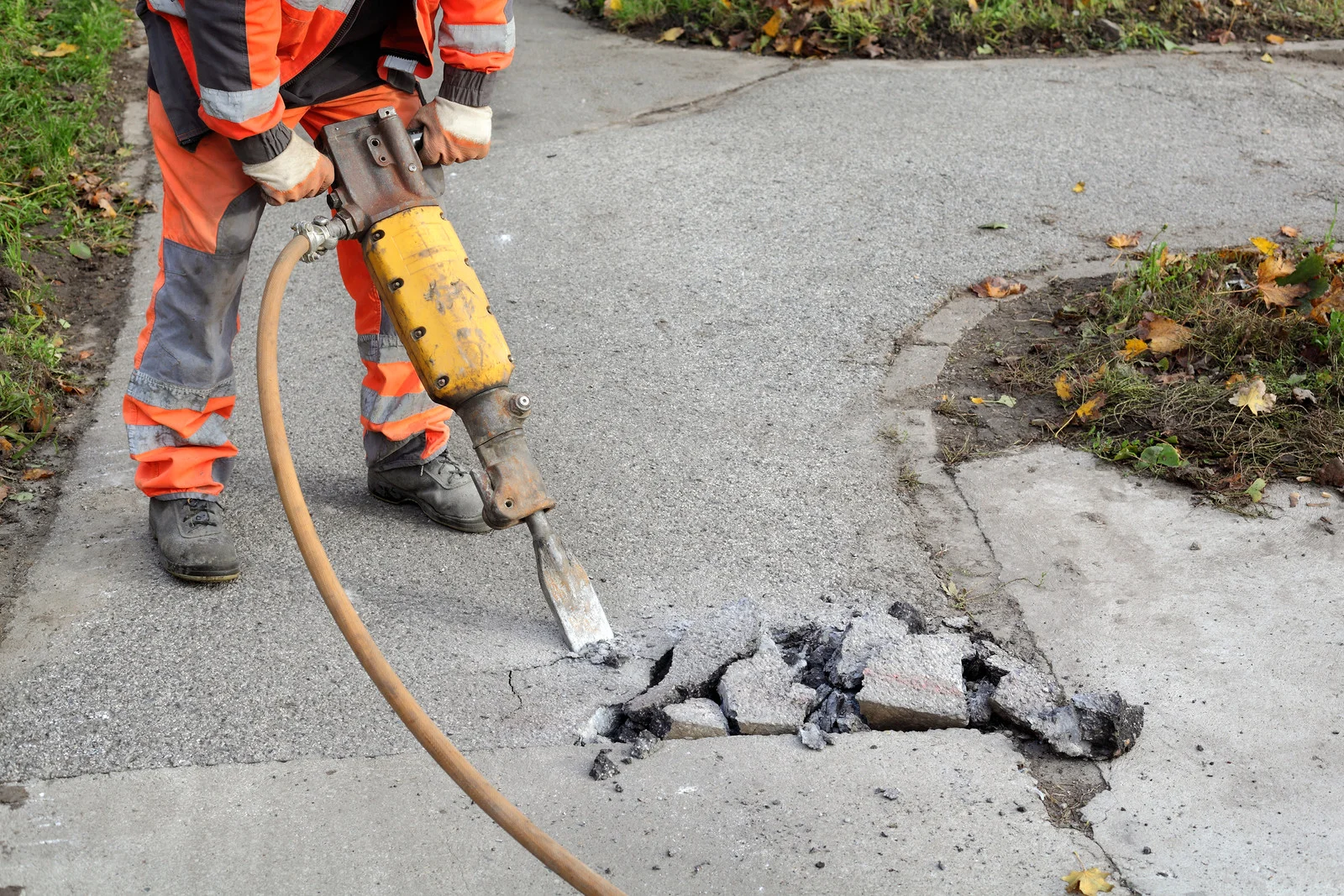
How to Maintain Pneumatic Air Tools
Good air tool maintenance does not have to be complicated. A consistent routine focused on lubrication, air quality, inspection, and storage can help prevent minor problems from developing into more expensive repairs.
Use the Correct Lubricant at the Recommended Interval
Check the tool manufacturer's lubrication instructions before selecting a lubricant or establishing a maintenance schedule. Some tools require oil to be introduced through the air inlet. Others use an inline lubricator that delivers measured quantities of oil during operation. Certain pneumatic impact wrenches also require separate grease or lubricant for their impact mechanisms. The lubrication interval depends on the tool and its frequency of use.
Equipment used continuously throughout a workday may require more frequent attention than tools used occasionally. Avoid assuming that every pneumatic tool requires the same quantity of oil or that adding more lubricant is necessarily better. Follow the specified amount and method, and use lubricants compatible with the tool's internal materials.
Keep the Compressed Air Supply Clean and Properly Regulated
Inspect the compressor's air treatment equipment, drain accumulated moisture according to the manufacturer's recommendations, and maintain filters and separators as required. Air pressure should also match the tool manufacturer's specifications. Excessively low pressure can reduce performance, while operating beyond the approved pressure can create equipment and safety problems. Before connecting a tool, check the condition of the air hose and fittings. Dirty couplers or damaged connections can introduce contaminants, cause leaks, or interfere with consistent operation.
Inspect Tools and Store Them Properly
Routine inspection can reveal problems before they become more serious. Check for air leaks, damaged hoses, loose fittings, unusual sounds, and changes in operating performance. Inspect accessible tool components according to the manufacturer's maintenance instructions. Components that are excessively worn, damaged, or malfunctioning may require professional servicing or replacement.
When tools are not being used, store them in a clean, dry location. Follow any recommended lubrication or storage procedure, particularly when equipment will remain unused for an extended period. Disconnect the compressed air supply and release pressure according to the manufacturer's safety instructions before performing maintenance.
Choosing an Air Tool Lubricant: Muscle Air Tool Oil AT-10™
Muscle Air Tool Oil AT-10™ is formulated to lubricate, clean, and protect piston and rotary type pneumatic tools. Its formulation helps reduce friction, remove gummy deposits, repel air line moisture and water spray, and protect internal metal surfaces against rust. These properties support smoother tool operation and help reduce conditions that contribute to unnecessary maintenance and wear.

AT-10™ also contains Muscle Metal Treatment MT-10® technology for increased lubricity and boundary film lubrication. This provides additional protection at lubricated metal contact points where friction and wear can occur during operation. Recommended applications include pneumatic impact and ratchet wrenches, nailers, staplers, hammers, grinders, sanders, drills, and other compatible piston and rotary air tools. AT-10™ can be incorporated into a regular maintenance program using the tool manufacturer's specified lubrication method.
The product is available in 4-ounce and 16-ounce bottles, along with larger commercial packaging for industrial requirements. Before use, verify lubricant compatibility with the tool's internal seals and O-rings. Petroleum-based oils can cause natural rubber O-rings to swell, so tools with incompatible sealing materials may require a different lubricant.
For application quantities and frequency, follow the tool manufacturer's instructions. Some equipment may require lubrication daily or several times throughout the day, depending on use. Explore Air Tool Oil AT-10™, shop available sizes, or request a quote for commercial lubrication requirements.
Signs Your Pneumatic Tool May Need Maintenance
Changes in how an air tool sounds or performs can indicate that something in the tool or compressed air system needs attention. A tool that gradually loses power, operates more slowly than usual, or begins making unfamiliar noises may have inadequate lubrication, internal wear, air supply restrictions, or mechanical problems. Excessive vibration, air leaks, and irregular operation can also point to developing issues.
Start by checking the air supply, connections, and routine maintenance requirements. If lubrication is overdue, service the tool using its approved procedure and lubricant. If the problem continues, further inspection may be necessary. Internal damage, worn components, and other mechanical defects cannot be corrected simply by adding more oil. Addressing these changes early can help reduce unnecessary downtime and prevent continued operation from causing additional damage.
Final Takeaway: A Little Maintenance Can Help Protect Your Investment
Pneumatic air tools are an important investment for repair shops, contractors, manufacturers, and maintenance operations. Keeping them in good working condition requires attention to both the internal lubrication system and the quality of the compressed air supply. Regular lubrication helps reduce friction and wear, while moisture control, proper air pressure, inspection, and appropriate storage support reliable operation.
Muscle Air Tool Oil AT-10™ provides lubrication, cleaning, and corrosion protection for compatible piston and rotary type air tools, making it a practical part of a preventive maintenance program. Taking care of pneumatic equipment today can help maintain its performance and extend its useful service life.
-
No. Oil used to lubricate the compressor's internal components is not the same as controlled lubrication of the pneumatic tools connected to its air line.
Tools that require oil must receive it through the method specified by their manufacturer, such as manual application or an appropriate inline lubricator. A compressor being oil-lubricated does not eliminate the need to maintain the tools.
-
A lack of power does not always indicate a lubrication problem. Inadequate air pressure or airflow, restricted hoses, leaking fittings, worn internal components, and problems with the impact mechanism can all affect performance.
Check the air supply requirements and inspect the hoses and connections before assuming the tool needs more oil. If the air supply is adequate and the tool has been maintained correctly, internal inspection or professional servicing may be necessary.
-
Water accumulating in compressor drains or moisture separators is an indication that the compressed air system is collecting moisture. Water discharged from air lines, visible corrosion around fittings, or rust developing inside accessible tool components can also suggest a moisture problem.
Moisture may not always produce obvious symptoms immediately. Regularly inspecting the air treatment equipment and following the compressor manufacturer's drainage and maintenance recommendations can help identify problems before they affect connected tools.
-
Using more oil than recommended is not necessarily beneficial. Excess lubricant can be carried through the tool and discharged with the exhaust air, creating unnecessary mess or contamination around the work area.
Use the quantity and lubrication method specified by the equipment manufacturer. If an inline lubricator is installed, it should be adjusted according to the applicable tool and lubricator instructions.
-
Not every pneumatic tool has the same lubrication requirements. Some equipment is designed for operation without routine oiling of the air motor, while other tools require regular lubrication through the air inlet or a dedicated lubricator.
Before adding oil, identify the tool's lubrication requirements in its operating manual. Applying oil to equipment specifically designed for oil-free operation may be unnecessary or contrary to the manufacturer's instructions.
Related Links
Air Tool Oil AT-10™ — Product information, applications, and technical documentation.
Shop Air Tool Oil AT-10™ — View available retail sizes and purchasing options.
Metal Treatment MT-10® — Learn about the anti-friction lubrication technology incorporated into AT-10™.
Product Data Sheets — Review technical information and product application guidance.
Safety Data Sheets — Access handling and safety information.
Contact Muscle Products Corp. — Get assistance with product selection and lubrication questions.
Application Note
This article provides general educational information about pneumatic tool maintenance and lubrication. Follow the equipment manufacturer's recommendations for air pressure, lubrication quantities, maintenance intervals, and compatible products. Before using Air Tool Oil AT-10™, verify compatibility with the tool's seals and O-rings, and review the current Product Data Sheet and Safety Data Sheet. Proper lubrication supports preventive maintenance but does not replace necessary inspection, servicing, or repair of damaged equipment.